

|
Getting your Trinity Audio player ready... |
Kenya Braces for El Niño Rains as Nine Major Risks Emerge
Kenya is preparing for a difficult October to December rainfall season, with forecasts pointing to possible El Niño rains that could affect communities, infrastructure and the economy across the country.
Figures from the Ministry of Interior and National Coordination have highlighted nine major areas that could be affected if the rains intensify.
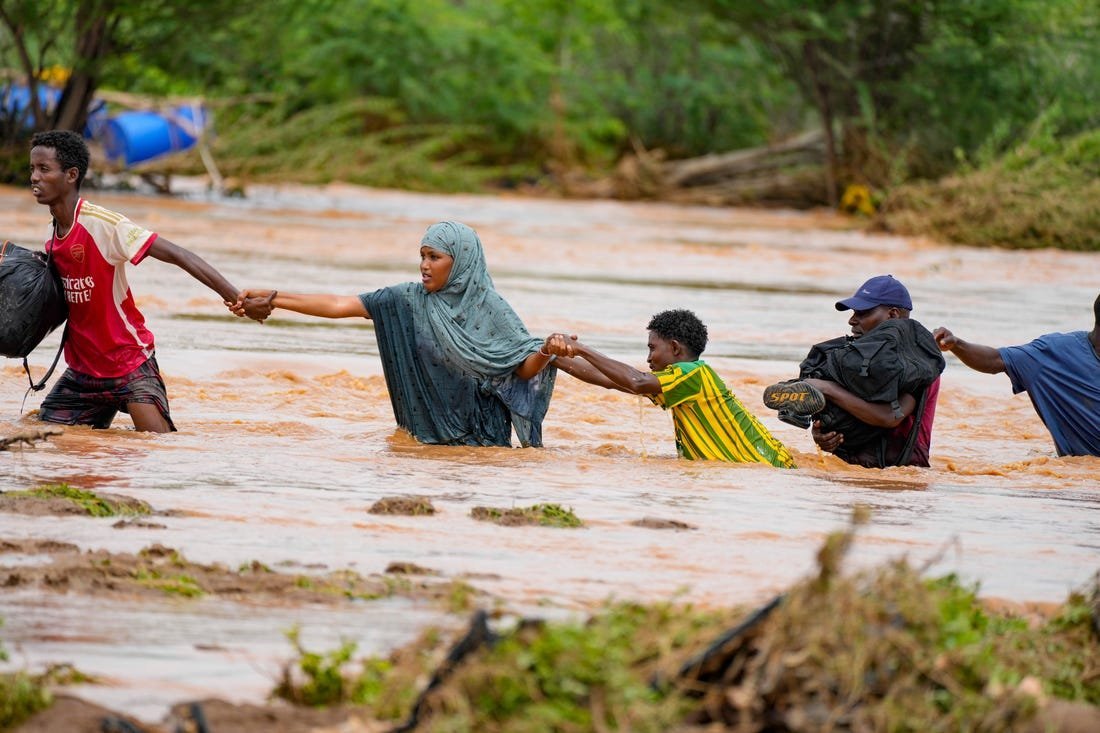
The biggest concern is flooding, which could put lives at risk and cause widespread damage in areas that receive heavy rainfall.
Flooding and Loss of Lives
Heavy rains could cause rivers and drainage systems to overflow, resulting in flash floods and dangerous water levels.
The flooding could lead to deaths, drowning incidents and serious injuries, particularly in areas where communities are located near rivers, low-lying areas and flood-prone zones.
Authorities are expected to closely monitor areas at high risk as the rainy season approaches.
Communities Could Be Cut Off
Rising floodwaters could also force families to leave their homes and disrupt movement between communities.
Roads and bridges may become impassable, leaving some areas isolated and making it difficult for emergency teams to reach people who need help.
The disruption could affect the movement of food, medical supplies and other essential goods.
Disease Outbreaks
Flooding can also create conditions that increase the risk of disease outbreaks.
Contaminated water, poor sanitation and overcrowded temporary shelters could expose affected communities to waterborne and other infectious diseases.
Health facilities in areas affected by floods could also face increased pressure as more people seek medical attention.
Roads and Infrastructure at Risk
Transport infrastructure is another major concern.
Heavy rainfall and flooding could damage roads, bridges and other public facilities, disrupting transport and slowing emergency response operations.
The damage could also increase the cost of moving goods and connecting businesses to their customers.
For communities that depend on roads to access schools, hospitals and markets, prolonged disruption could have serious consequences.
Agriculture Faces Heavy Losses
Kenya’s agricultural sector could also suffer if rainfall becomes excessive.
Heavy downpours and flooding may destroy crops, wash away farmland and cause significant livestock losses.
Farmers could lose income if crops are damaged before harvest, while livestock owners may struggle with the loss of animals and damage to grazing areas.
Livelihoods Under Pressure
The combined impact of flooding, damaged infrastructure, crop losses and disrupted business activity could put thousands of households under financial pressure.
For families that depend on farming, livestock, small businesses and daily trade, prolonged disruption could result in significant loss of income.
The effects could extend beyond individual households, affecting food supplies, local markets and economic activity in affected regions.
Services Could Be Disrupted
Essential services could also be affected during periods of severe flooding.
Schools, health facilities, businesses and public offices may experience interruptions if roads become inaccessible or buildings and surrounding infrastructure are damaged.
Power and water services could also face challenges in areas hit by severe weather.
Emergency Response
The expected rainfall has placed disaster preparedness high on the national agenda.
Authorities, county governments and emergency agencies will need to work closely to identify vulnerable areas, prepare evacuation plans and ensure that emergency teams can respond quickly when flooding occurs.
Residents in high-risk areas are also expected to remain alert and follow official weather and safety warnings.
Economic Impact
Beyond the immediate dangers, severe El Niño rains could have wider economic consequences.
Damage to roads and public infrastructure can require costly repairs, while agricultural losses can reduce household incomes and affect food availability.
Businesses may also experience lower sales and higher operating costs when transport networks are disrupted.
With the October–December rainfall season approaching, the scale of the impact will depend on the intensity and distribution of the rains.
For Kenya, early preparation, accurate weather information and rapid emergency response will be important in reducing the potential damage to lives, property and livelihoods.